A Beginner's Guide to Starting Futures Trading Safely and Effectively
Futures trading offers an exciting opportunity for financial market participants to speculate on asset prices, hedge risk, and leverage capital. However, stepping into the futures market without a solid foundation can lead to rapid capital loss. This comprehensive guide walks you through the essential steps to start trading futures responsibly.
What is Futures Trading?
A futures contract is a legally binding agreement to buy or sell a standardized asset at a predetermined price at a specified time in the future. Unlike spot trading, where you own the underlying asset immediately, futures trading involves contracts derived from commodities, indices, currencies, or cryptocurrencies.
Key Concepts Every Beginner Must Know
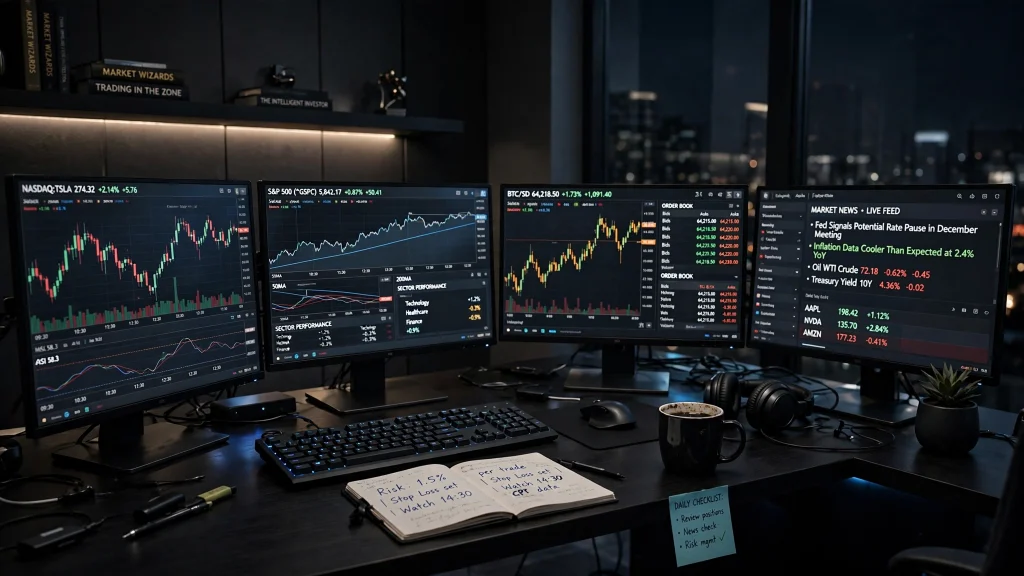
Before placing your first trade, you need to familiarize yourself with the core mechanics that drive the futures market:
- Leverage: Futures allow you to control a large position with a relatively small amount of capital (margin).
- Margin Requirements: Brokers require initial margin to open a position and maintenance margin to keep it open.
- Expiration Dates: Most futures contracts expire monthly, quarterly, or annually, requiring you to roll over or close positions.
Step-by-Step Guide to Getting Started
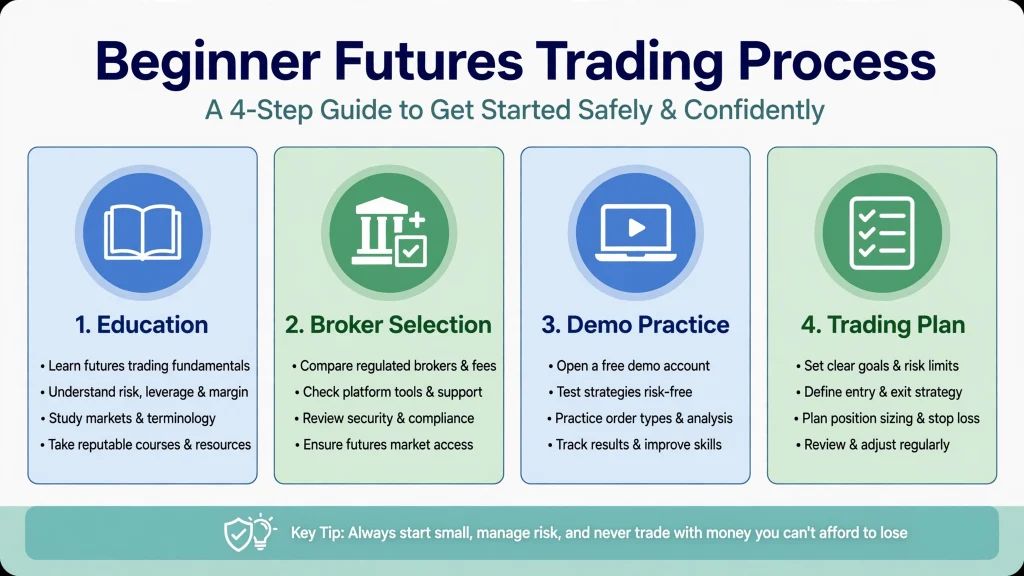
Transitioning from a curious observer to an active futures trader requires a structured approach. Follow these foundational steps:
1. Educate Yourself Thoroughly
Understand market mechanics, technical analysis, risk management, and the specific nuances of the asset class you wish to trade—such as crude oil, gold, or the S&P 500 E-mini.
2. Choose a Reliable Broker
Select a regulated futures broker that offers robust trading platforms, competitive commission rates, reliable customer support, and low latency execution.
3. Practice with a Demo Account
Test your strategies in a risk-free environment using virtual funds. Most reputable brokers provide simulation platforms that replicate real-time market conditions.
4. Develop a Trading Plan
Outline your entry and exit strategies, daily loss limits, profit targets, and risk-to-reward ratios before putting real money on the line.
Spot vs. Futures Trading Comparison
To better understand where futures fit into your strategy, review the key differences below:
| Feature | Spot Trading | Futures Trading |
|---|---|---|
| Ownership | Direct ownership of the asset | Ownership of a contract to buy/sell |
| Leverage | Usually low or none (1x to 2x) | High leverage available (up to 20x+) |
| Expiration | No expiration date | Fixed expiration dates |
| Short Selling | Can be complex or restricted | Built-in and straightforward |
Managing Risk in the Futures Market
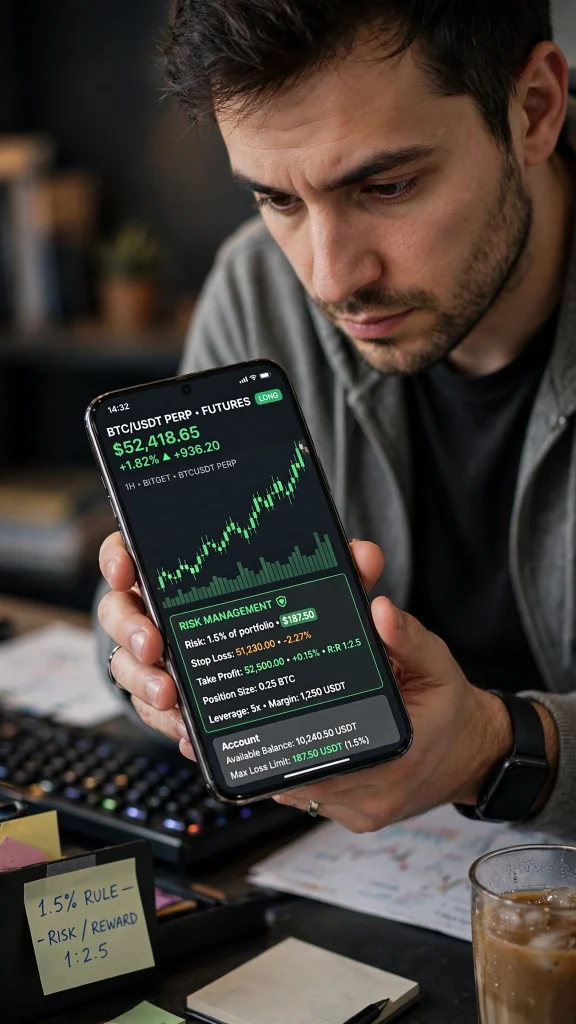
Because leverage magnifies both gains and losses, risk management is your ultimate safeguard. Never risk more than 1% to 2% of your total trading capital on a single trade. Always utilize stop-loss orders to automatically exit losing positions before they drain your account.
Conclusion
Starting your journey in futures trading demands patience, discipline, and continuous learning. By mastering the fundamentals, practicing on a simulator, and strictly adhering to a risk management plan, you can navigate the complexities of the market with confidence and longevity.