A Beginner's Guide to Forex Trading: How to Start Smart
Foreign exchange, or forex, is the largest and most liquid financial market in the world, with trillions of dollars changing hands every single day. For beginners, the allure of a 24-hour market and high potential returns can be intoxicating. However, diving into currency trading without a solid roadmap is a recipe for quick losses.
Learning how to start forex trading requires more than just opening a brokerage account; it demands discipline, education, and risk management. This guide breaks down the essential steps you need to take to begin your forex trading journey safely and effectively.
1. Understand the Basics of the Forex Market
Before risking real money, you need to understand how the market actually works. In forex, you are always trading currency pairs, such as EUR/USD or GBP/JPY. When you buy a pair, you are buying the base currency while simultaneously selling the quote currency.
Currencies are influenced by macroeconomic factors, including interest rates, inflation, political stability, and economic growth reports. Developing a grasp of fundamental and technical analysis is crucial for predicting whether a currency's value will rise or fall.
2. Choose a Reliable Broker
Your broker is your gateway to the market, making this one of the most critical decisions you will make. Look for a broker that is regulated by reputable financial authorities (such as the FCA in the UK, ASIC in Australia, or CFTC/NFA in the United States).
When evaluating brokers, pay close attention to:
- Spreads and Commissions: Lower trading costs protect your profit margins.
- Trading Platforms: Ensure they offer robust software like MetaTrader 4 (MT4), MetaTrader 5 (MT5), or a proprietary platform with advanced charting tools.
- Execution Speed: Fast order execution prevents slippage during high-volatility news events.
3. Start with a Demo Account
Never fund a live account straight away. Almost all major brokers offer free demo accounts funded with virtual money. A demo account allows you to practice executing trades in real-time market conditions without risking a single cent of your hard-earned capital.
Use this phase to test different trading strategies, learn how to read charts, and get comfortable with your broker's platform interface. Treat your demo account just like a real account to build good trading habits.
4. Develop a Trading Strategy and Plan
Successful traders do not guess; they follow a strict plan. Your trading plan should outline your entry and exit criteria, preferred currency pairs, risk tolerance, and daily trading schedule.
Common trading styles include:
- Day Trading: Opening and closing multiple positions within the same day.
- Swing Trading: Holding positions for several days or weeks to capture medium-term trends.
- Scalping: Making dozens of quick trades to profit from tiny price movements.
5. Master Risk Management
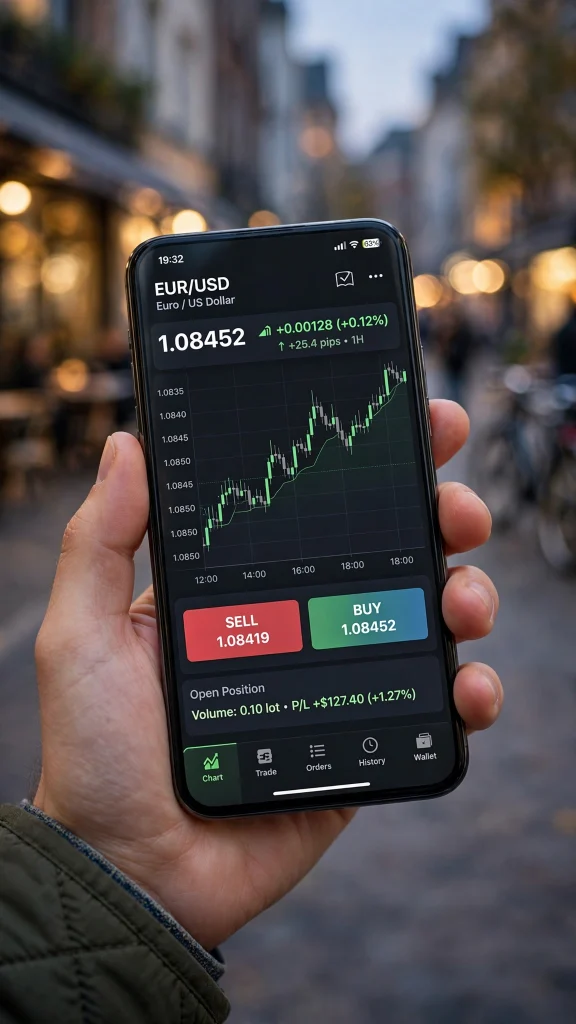
Risk management is the absolute secret to survival in forex trading. Because forex brokers offer high leverage, you can control large positions with a small amount of capital—which magnifies both potential profits and potential losses.
Never risk more than 1% to 2% of your total account balance on a single trade. Always use stop-loss orders to automatically close losing positions before they drain your account. Protecting your capital is always more important than chasing profits.
Conclusion
Starting forex trading is an exciting journey that combines continuous learning, psychological control, and strategic planning. By taking your time to understand the market, practicing on a demo account, and strictly managing your risk, you can build a sustainable foundation for long-term trading success.